%20-%20Banner.png)
However, true localization means matching how people actually speak, search, and make buying decisions in each region. These nuances help your content feel more natural and trustworthy.
In this guide, you’ll learn six steps to build a content localization model to speed up UK and EU market expansion.
Step 1. Research local customers to reveal pain points
Collect regional customer insights to ensure you create assets that truly matter to those audiences.
For example, a localized guide on domestic ACH payments (which are limited to the US) won’t be relevant in Denmark or England.
So, you’ll waste time repurposing content that isn’t relevant to this audience.
On the other hand, Voice of Customer (VoC) research in these target regions reveals real-world pain points that you can then build content around.
Here are some typical places to find this data:
- Customer interviews. Arrange conversations or surveys to understand your audience’s challenges, goals, language, and buying triggers.
- Employee insights. Ask your sales, support, and success teams what buyers query, where they get stuck, and what they care about.
- Support and sales data. Analyze sales calls, tickets, and emails for recurring issues and themes.
- Social listening. Search your brand on LinkedIn, X, Reddit, and other forums to see how people discuss the problems you solve.
- Review platforms. G2, Capterra, and Clutch are goldmines for seeing what users love, hate, and expect.
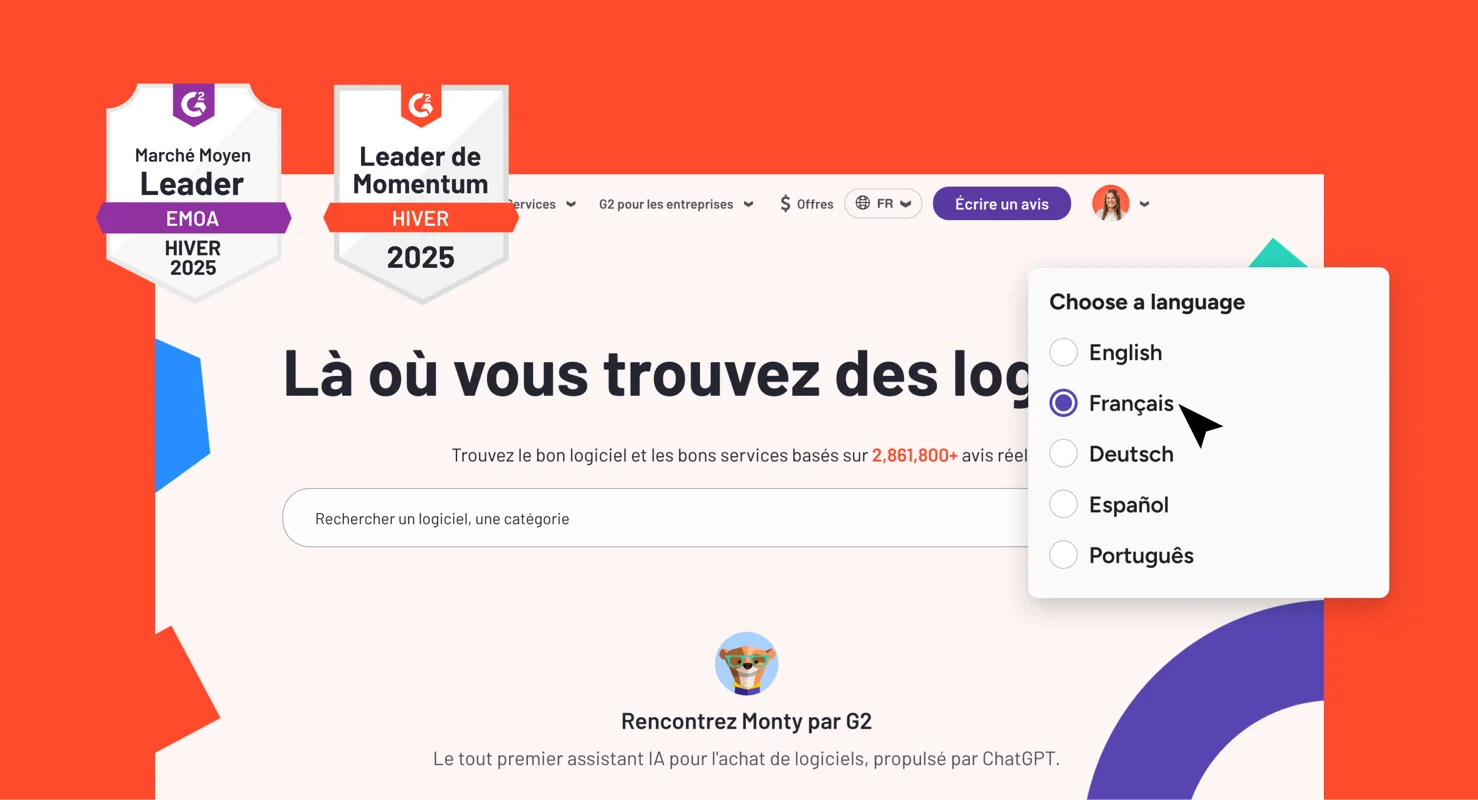
Sites like G2 are now even using localization themselves to make it easier for European buyers to evaluate software vendors:
Note: If you don’t have enough first-party regional data, search for public competitor insights. How buyers talk about similar products can still reveal relevant priorities and unmet needs.
The more local insight you collect, the easier it becomes to see the full buyer journey and exact language prospects use.
These nuances help you create content that feels native and builds trust faster.
When Grizzle localized Tipalti’s US-based financial guides for the UK and EU, we conducted in-depth research to align updates with local laws, regulations, and audience priorities.
For example, this OCR processing guide speaks to local priorities with research that highlights the cost of late payments to the UK economy.

And the benefits of this research go beyond marketing:
- Product teams get clearer direction for regional features
- Customer service can better prepare for objections
- Sales aligns more closely with how buyers think
A strong localization engine becomes a competitive advantage across the entire business.
Want help turning your UK or EU research into a clear content strategy? Book a demo today and let’s talk.
Step 2. Prioritize revenue-driving content to reach new markets
Use your localized customer research to prioritize key articles, landing pages, and other assets that solve regional problems and drive revenue.
Forrester suggests that 75% of B2B buyers want sales materials in their language, while 67% want the whole website.
Start with assets that help buyers:
- Find your product or service. Product, comparison, and other landing pages that attract potential customers.
- Learn how it works. Blog posts and guides addressing real problems from your research.
- See it in action. Case studies and product walkthroughs that demonstrate value.
Validate your priorities and identify additional opportunities using data to gauge potential impact.
Internal performance data and SEO tools can help confirm where real demand exists.
Ask yourself:
- Which of these pages already attracts sales from your target countries?
- Which English keyword terms have strong search volume and moderate cost-per-click (CPC) in the UK and Europe? (These metrics demonstrate the likely value of regional traffic.)
- Which topics suggest clear interest in multiple target markets?
For example, some English content can perform well in EU markets with high English-speaking populations (e.g. the Netherlands or Nordics), offering quick wins before fully localizing.
Other topics like “open banking” show strong demand across the US, UK, the Netherlands, and Sweden:
These topics are often safe bets to localize early as they’re already resonating.
From there, you’ll expand into fully localized versions for regions where native language content matters (e.g. Germany, France, Italy, or Spain).
But keep in mind that some terms don’t exist locally.
For instance, “sales enablement” isn’t common in France or Germany, so you’ll need to explain it for your audience to understand.
This approach lets you build a solid content foundation quickly, start engaging new buyers, and gather insights for original, region-specific content later.
Step 3. Build out a regional content team
A team with local expertise is essential for creating content that resonates and avoiding missteps that confuse or even offend audiences.
For example, first names or casual phrases are widely accepted by Americans.
But German differentiates between “you” with “du” (informal) and “Sie” (formal)—the latter is generally preferred unless speaking to kids or loved ones.
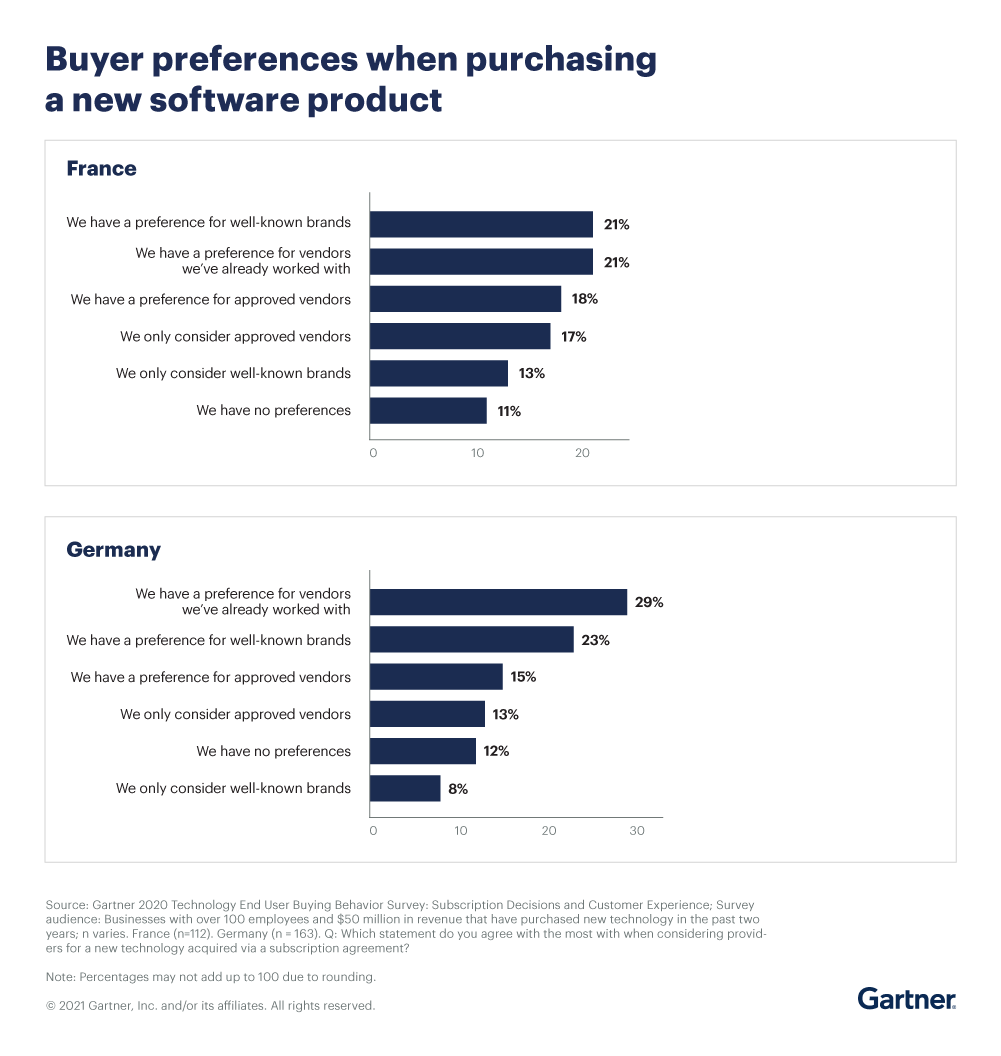
Gartner research also suggests that while German consumers value familiarity (think local testimonials and case studies), French buyers favor market leaders (i.e. top-rated positioning).
Translation tools often overlook these small details, but they can significantly impact engagement.
A high-performing regional team needs:
- Native-level fluency, including awareness of local trends, culture, and idioms
- Specific industry knowledge
- Transcreation skills (i.e. adapting tone and meaning, not just translating)
However, not every team member needs all of these skills.
For example, a localization manager can focus on strategy and technical SEO, while writers and editors bring native fluency and tone expertise.
Here’s the suggested breakdown of roles and responsibilities:
If in-house resources are limited, agencies or freelancers can fill the gap. Agencies like Grizzle provide scalable, all-in-one solutions—ideal for targeting multiple EU markets at once.
The key is finding the right expertise that fits your goals and budget.
Prioritize local knowledge, bilingual skills, and cultural fluency over cost savings (where feasible).
Your content’s effectiveness depends on it.
Step 4. Involve local subject matter experts to ensure accuracy
Local subject matter experts (SMEs) add credibility, verify facts, and make your content culturally relevant—especially in regulated industries or markets with unique rules.
You need to build trust with regional audiences. SMEs help you earn it by showing authority.
For example, Wise’s guide on UK pension withdrawal includes expert input as minimum age and tax treatment differ from countries like Ireland and Canada:

These experts fill knowledge gaps that even skilled bilingual writers can’t fully cover, ensuring accurate content for local regulations, workflows, and customs.
Your in-house experts (like product managers or compliance officers) can serve as SMEs, depending on the topic.
However, building a network of external SMEs with real-world experience expands your reach and helps you cover topics your team can’t.
Here’s where to find them:
- Audience research tools. Use platforms like BuzzSumo or SparkToro to find thought leaders your audience follows.
- LinkedIn. Search for authoritative figures by title, industry, or experience.
- Help A Reporter Out (HARO) or Qwoted. Submit queries to connect with verified experts.
- Clarity.fm. Connect with specialists in niche industries.
- Professional associations. Reach out to certified experts in your field.
- Industry conferences. Scan speaker lists for those with specific expertise.
- Competitor content. Identify authors or podcast hosts demonstrating niche authority.
Note: For co-created content, collaborating with SMEs who also have an online presence can amplify reach and help you achieve early traction.
When quoting SMEs in your content (instead of hiring them to fact-check), make sure you:
- Double-check names and roles
- Include a link to their website or resources
- Let them review content before publishing
A strong SME network can even open doors to other recommended experts, so your content is always backed by credible, specialized knowledge.
Step 5. Create localized guidelines to scale without losing quality
Create localization guidelines to maintain consistency in your content’s voice, quality, and cultural fit as your business grows.
Don’t be part of the 27% of tech CEOs who didn’t create dedicated resources for regionalized marketing campaigns and wish they had.
For example, Wise’s “Foundations” document aligns every writer, designer, and marketer on the brand’s online presence.
The “Go global, write local” section explains how to write content while staying mindful of diverse cultures:

It flags things like avoiding literal wordplay, staying culturally sensitive, and remembering that translated text often expands by 30% or more (when considering UI design).
This ensures Wise’s content resonates locally while scaling production faster.
A comprehensive localization guide should include:
- Positioning, tone, and personality specifics for each region
- Grammar rules, style choices, and regional conventions (e.g. UK vs US spelling)
- Glossaries with approved translations for product and technical terms
- Design rules and example content
- Tools, workflows, and quality assurance (QA) checklists
Keep the guidelines accessible and update them as the market evolves.
A living document makes it easier for teams to produce high-quality localized content without costly revisions.
Step 6. Optimize content for local search and market entry
Localize content, headings, keywords, and URLs to match each market’s search intent.
Optimizing on-page SEO (often by creating regional versions of your website) supports your GTM strategy by driving visibility and awareness.
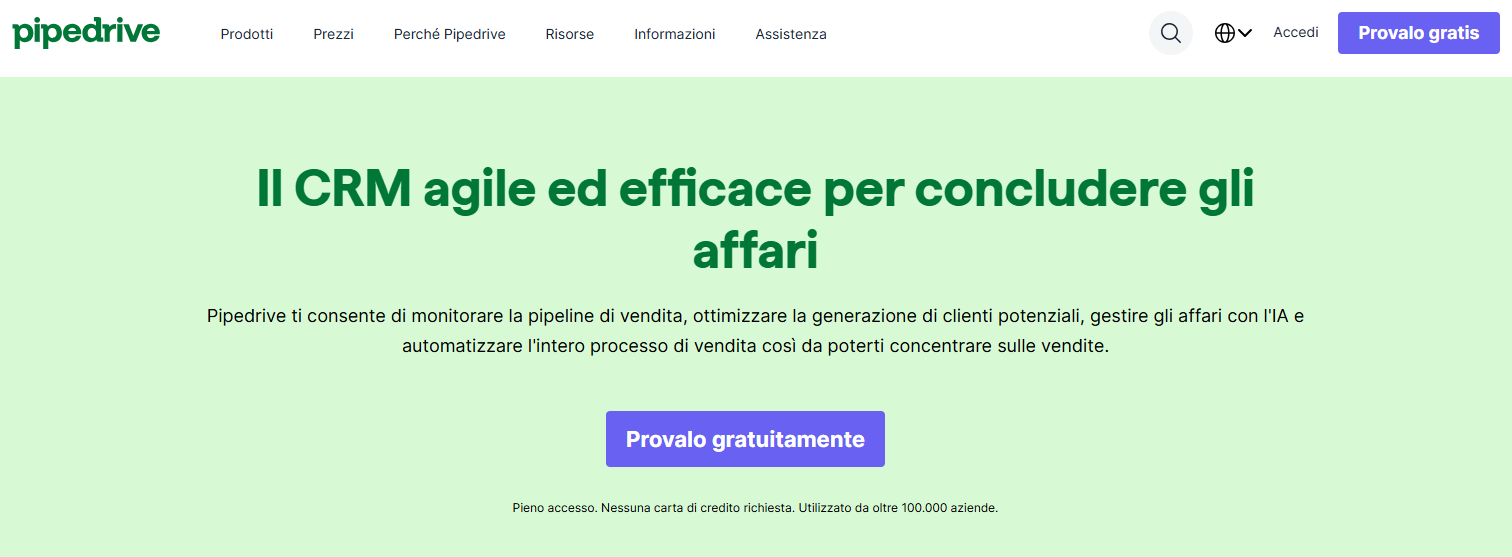
For example, Pipedrive localizes 2.7 million words in 24 languages annually.
Like this Italian version of the homepage:
When nearly 66% of software buyers prefer providers’ websites and landing pages in their primary language, you see why localization is critical for complex products.
For more moderate expansion (where you’re testing a market or scaling gradually), focus on optimizing key pages that drive awareness.
For example, Tipalti’s UK PayPal guide localizes the most important on-page SEO elements (URLs, headings, keywords, and body copy):
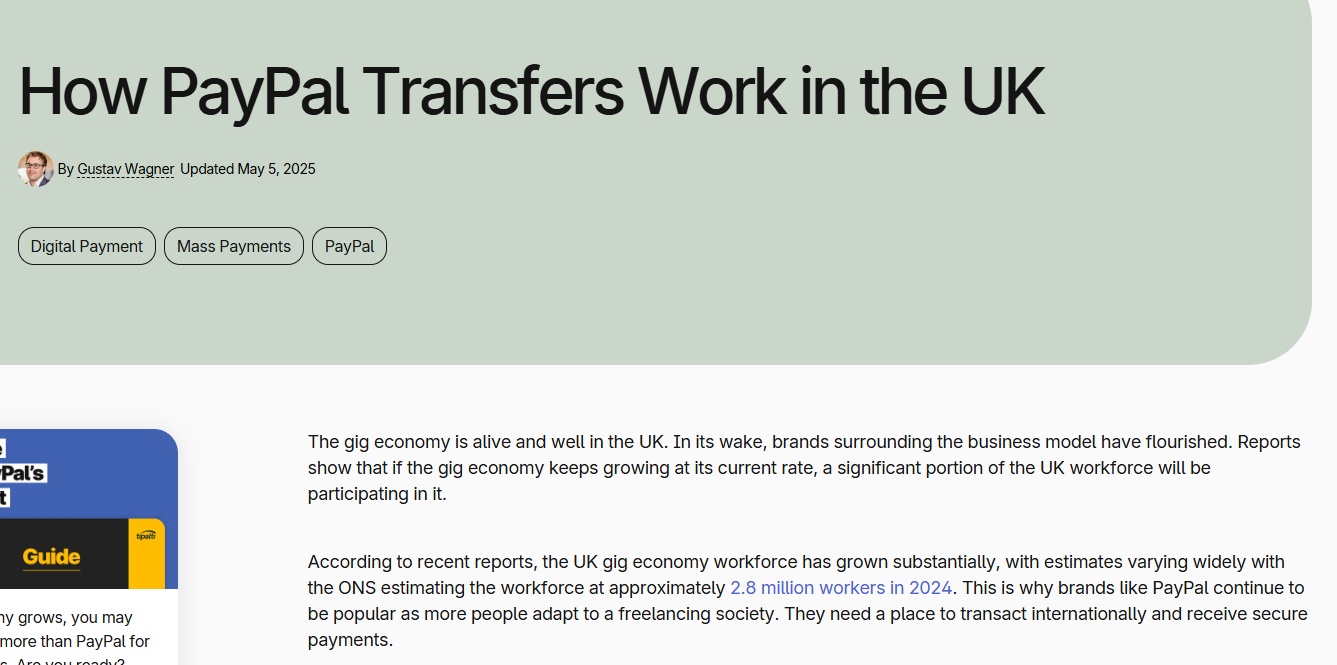
By meeting intent and improving search visibility, the finance solution now ranks on the first SERP for “How PayPal transfers work in the UK”.
Committing to a full country launch?
Localize all customer-facing content—from marketing pages to help docs—to support SEO and sales.
This strategy works best with local teams (e.g. sales, support, or product experts) to respond to demand and keep channels consistent.
It takes more time and resources, but helps you capture search intent and drive conversions faster.
AI tools can speed up translation for guides, tutorials, and help pages.
But always have bilingual editors review content nuances before publishing.
Localized content drives trust and growth
Anyone can translate text in seconds thanks to AI, but localizing your message to each market’s language, culture, and expectations gives you a competitive edge.
Start with the pages that matter most, test, and refine based on performance data. Base your UK or EU content on local insights and customer needs at every step.
Over time, you’ll build trust, strengthen your presence, and drive sales.
Ready to get your content moving in new markets? Book a demo today and let’s talk.